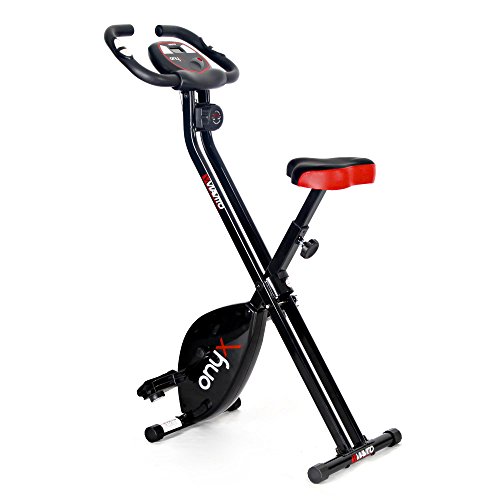
Stationary Cycle for Exercise: A Comprehensive Overview
The stationary cycle, frequently described as an exercise bike, has emerged as a favored apparatus among fitness lovers due to its versatility, effectiveness, and ease of usage. This article delves into the numerous benefits of making use of a stationary cycle for exercise, the various types offered, ideas for efficient exercises, and responses to frequently asked concerns.
Benefits of Using a Stationary Cycle
Exercise bikes provide a myriad of advantages, making them an exceptional addition to any fitness program. Here are a few of the essential advantages:
1. Cardiovascular Health
Cycling on a stationary bicycle is an exceptional method to enhance the heart and enhance general cardiovascular health. Regular usage can lead to better heart rate, increased lung capacity, and much better blood circulation.
2. Weight Management
For people seeking to shed pounds or keep a healthy weight, a stationary cycle provides a reliable means of burning calories. Depending on the strength of the workout, cycling can burn anywhere from 400 to 600 calories per hour.
3. Low-Impact Exercise
Unlike lots of types of cardio, cycling locations very little tension on the joints. This makes stationary cycling an ideal workout for individuals with joint problems, injuries, or conditions such as arthritis.
4. Varied Workouts
With the introduction of innovative stationary bicycles including programmable workouts, users can now enjoy a large range of training alternatives. From high-intensity interval training (HIIT) to steady-state endurance rides, stationary cycling can keep users engaged and challenged.
5. Convenience
Stationary cycles enable people to exercise from the convenience of their homes, eliminating the need to travel to a gym. This ease of access can cultivate consistency in workouts, which is vital for achieving fitness goals.
6. Improved Muscle Tone
Routine usage of a stationary cycle can boost muscle strength and tone, especially in the lower body. It mostly engages the quadriceps, hamstrings, calves, and glutes while likewise engaging the core and lower back muscles for stability.
Types of Stationary Cycles
When thinking about a stationary cycle for exercise, it's vital to understand the options available in the market. Here are the primary types of stationary bicycles:
1. Upright Bikes
Upright bikes look like traditional bicycles and provide an efficient cardiovascular workout while engaging the core and upper body.
2. Recumbent Bikes
Recumbent bikes have a larger seat and back support, allowing riders to sit in a more relaxed position. This design is especially helpful for those with back pain or those recuperating from injury.
3. Spin Bikes
Developed for high-intensity workouts, spin bikes are frequently utilized in cycling classes. They typically have a heavier flywheel and permit for standing pedaling, which facilitates a robust training experience.
4. Dual-Action Bikes
These designs integrate moving handlebars, permitting users to engage the upper body while cycling. This can enhance calorie burn and provide a full-body workout.
Tips for Effective Workouts
1. Adjust Properly
Guarantee the stationary cycle is properly changed for your height and leg length. The seat needs to be at hip level, and your knees need to not extend beyond your toes when pedaling.
2. Warm-Up and Cool Down
Before starting your workout, take time to heat up your muscles with a 5-10 minute simple pedaling session. Likewise, cool off afterward to avoid stiffness and promote recovery.
3. Integrate Interval Training
Alternate between high-intensity and low-intensity sectors to make the most of calorie burn and enhance cardiovascular fitness. For example, pedal at maximum effort for 1 minute, then recuperate at a slower rate for 2 minutes.
4. Stay Hydrated
It's important to drink water before, during, and after your workout, particularly for high-intensity sessions. Stationary Bikes Online can cause fatigue and impede performance.
5. Listen to Your Body
Pay attention to how your body reacts throughout workouts. If you experience pain or pain, customize the strength or take a break.
Regularly Asked Questions (FAQs)
1. How typically should I use a stationary cycle?
For optimum outcomes, goal for a minimum of 150 minutes of moderate-intensity aerobic activity every week. This equates to about 30 minutes on the bike, five times a week.
2. Can I lose weight utilizing a stationary cycle?
Yes, stationary cycling can be a reliable tool for weight loss, supplied it is combined with a balanced diet. The calorie burn from cycling can contribute significantly to shedding excess weight.
3. Is cycling on a stationary bicycle helpful for novices?
Absolutely! Stationary cycling is accessible for individuals at all fitness levels. Beginners can start at their own pace and slowly increase intensity as fitness improves.
4. What should I use while cycling?
Wear comfortable, moisture-wicking clothing and helpful athletic shoes. Padded shorts can likewise improve convenience during longer sessions.
5. Exist any health risks related to stationary cycling?
While cycling is low-impact, it's important for individuals with certain health conditions to seek advice from a doctor before beginning any brand-new exercise program. Proper modifications to the bike can likewise assist avoid discomfort or injuries.
The stationary cycle supplies an efficient and flexible choice for those aiming to enhance their fitness levels while delighting in a low-impact workout. With numerous types available to accommodate different fitness choices and needs, in addition to the abundant benefits it provides, including a stationary bike into one's routine can lead to enhanced cardiovascular health, weight management, and total fitness. Whether one prefers a casual trip or an intense session, the stationary cycle is a tool that can assist anybody attain their fitness objectives.